
Black and white photography was my first photographic language.
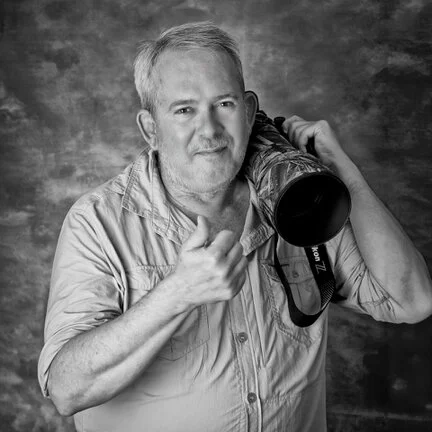
I began as a photographer working with black and white film, developing my images myself and building my own darkroom. That early experience shaped the way I still see photographs today: through light, shadow, texture, form and emotion rather than through colour alone.Working in the darkroom taught me patience and intention. Every image required time, care and decisions. That discipline stayed with me and still influences the way I photograph wildlife and landscapes in Africa: slowly, attentively and with a clear visual purpose.
When photography moved into the digital world, I naturally worked for a long period in colour. Later, however, I rediscovered black and white with renewed enthusiasm, helped by powerful creative tools such as Nik Collection and especially Silver Efex. These tools did not replace the spirit of darkroom photography, but they gave me a new way to interpret the same visual language I had loved from the beginning.
Today, this black and white portfolio brings together that original passion and my long experience in the field across Africa. I am drawn to photographs that go beyond documentation and reveal structure, atmosphere, contrast, behaviour and presence. In monochrome, an elephant’s skin, a buffalo’s stare, the geometry of zebra stripes or the silence of an African landscape can become even more expressive.
Alongside pure black and white, I also enjoy working with a sepia variant. Sepia adds a subtle warmth to images that might otherwise feel too cold or distant in strict monochrome. Used carefully, it can create a more timeless, intimate and emotional mood while preserving the strength and simplicity of black and white.
I began photography with black and white film, developing negatives and producing prints in my own darkroom.
That early experience taught me to think carefully about light, shadow, tonal separation and composition. Every photograph required deliberate decisions, from exposure in the field to the final interpretation on paper.
Although photography later moved into the digital world, those principles remained central to the way I work.
Returning to Monochrome
For many years, I concentrated primarily on colour photography. Digital tools eventually encouraged me to return to black and white with a new perspective.
Modern processing does not replace the discipline of the darkroom. It extends the possibilities of interpretation. The essential question remains unchanged: does removing colour reveal something more meaningful about the subject?
I convert an image to black and white when form, texture, atmosphere or emotion are stronger than its colour information.
My first journey to Africa took place in 1989, followed by my first visit to Tanzania in 1993.
Since then, I have photographed wildlife and landscapes in Tanzania, Kenya, Botswana, Namibia, Zimbabwe, South Africa and Madagascar. Returning repeatedly to African environments has taught me that strong wildlife photography depends less on collecting sightings and more on observation, patience and respect.
I am interested in individual animals, social relationships, natural behaviour and the way wildlife occupies its environment.
An Ethical Approach to Wildlife
No photograph is worth disturbing an animal.
I work from a respectful distance, avoid placing pressure on wildlife and prefer to wait for natural behaviour rather than force a composition. This approach often produces quieter photographs, but also more authentic ones.
Observation comes before the camera.
Selected images have been presented through exhibitions, editorial publications, online features and charitable print projects.
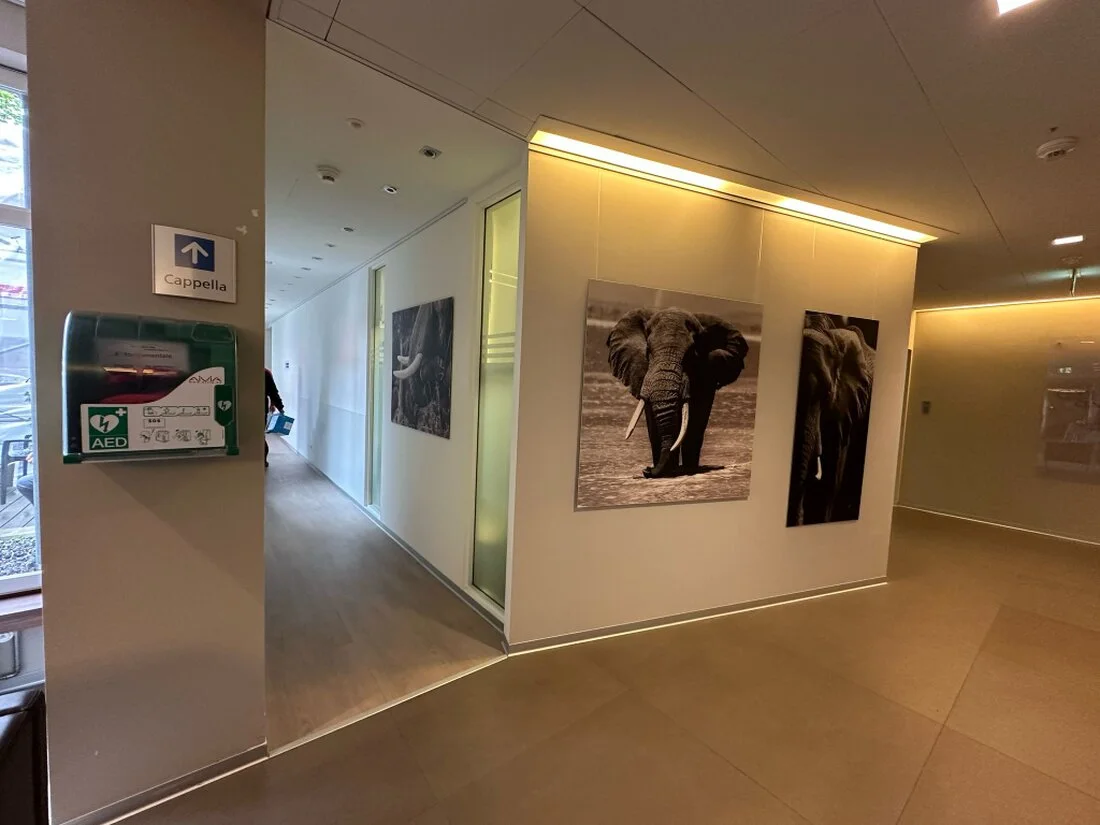
A particularly meaningful project was an elephant photography exhibition held during 2024–2025, where the sale of selected works supported educational activities connected with ATKYE.
My photographs may also be available for exhibitions, editorial use, licensing and selected collaborations.
From the Portfolio to the Field
This website presents the black and white dimension of my photographic work.
My other platforms include a colour wildlife portfolio, travel photography beyond Africa, charitable fine-art print sales and a separate website presenting the African field journeys that continue to inspire my photography.