
Wildlife
Encountering an African elephant is never a neutral experience.
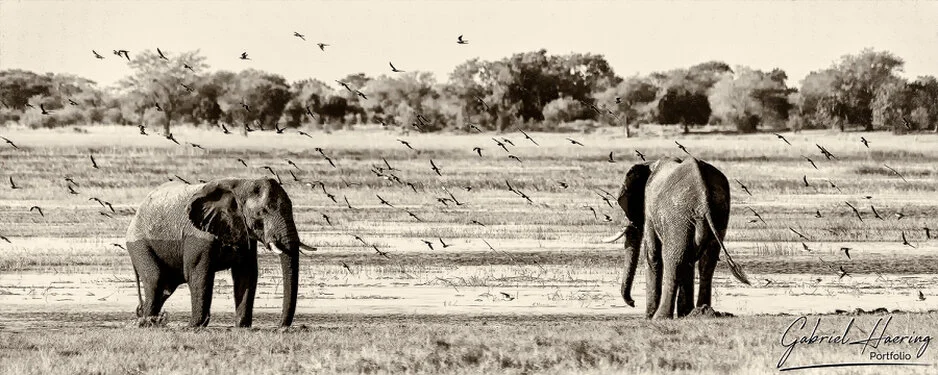
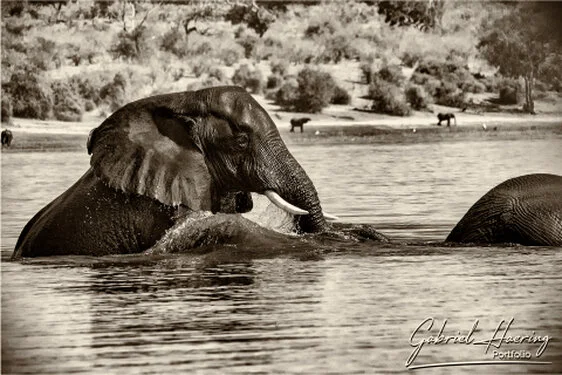
Their physical scale is immediately impressive, but their deeper presence emerges through movement, expression and social behaviour. These black and white elephant photographs explore individuals, families and intimate details captured across Kenya, Tanzania, Botswana, Namibia and Zimbabwe.
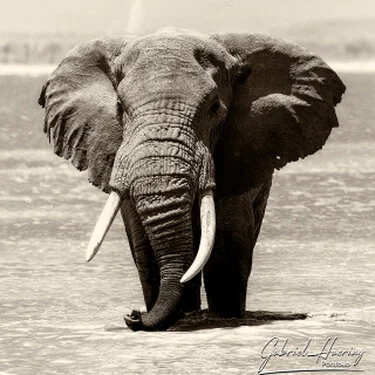
Portraits of Strength and Character
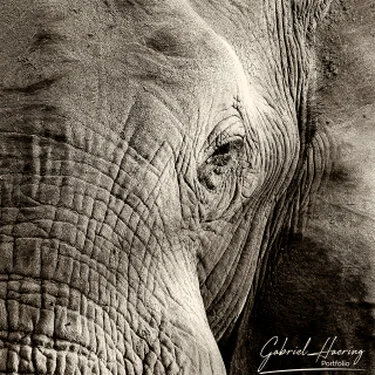
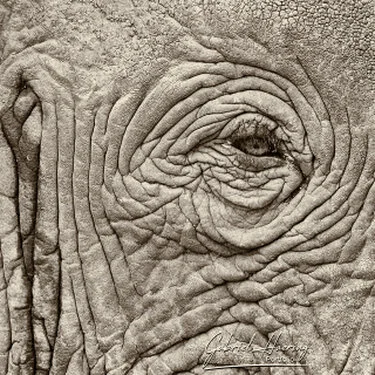
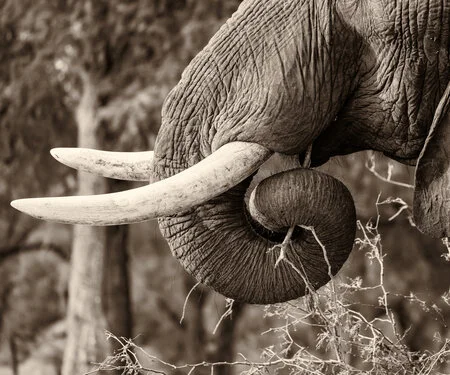
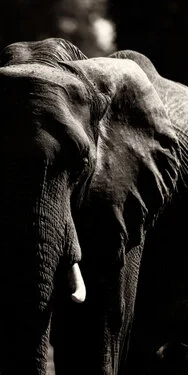
In monochrome, the elephant’s skin becomes a landscape of its own.
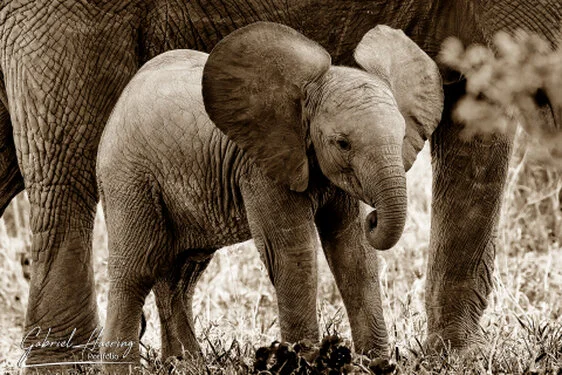
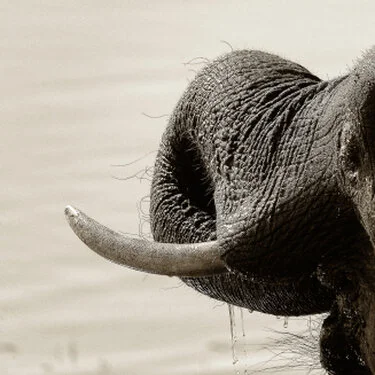
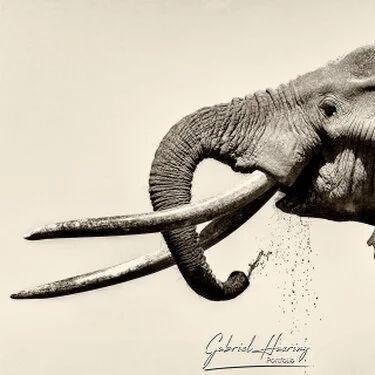
Wrinkles, scars, dust and fine details record age and experience. The curve of a tusk, the position of the ears or the direction of the eye can transform a portrait and reveal the distinctive character of an individual animal.
Removing colour brings attention to these elements and allows light, texture and expression to carry the image.
Elephant Families and Social Bonds
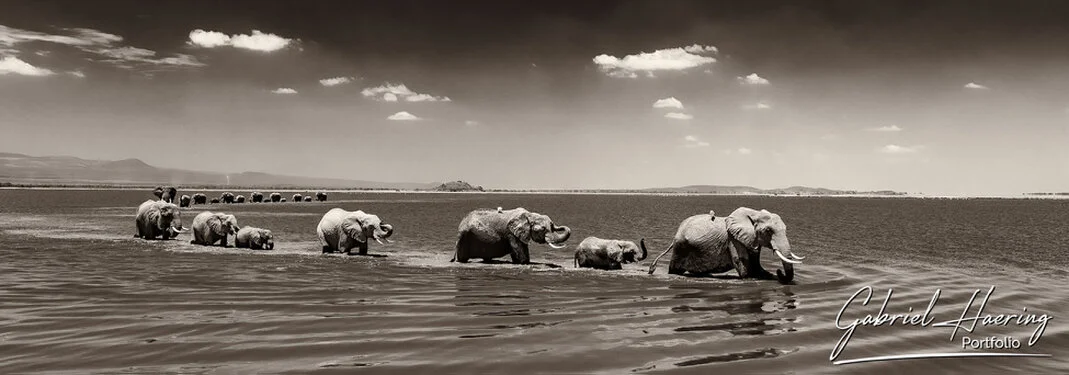
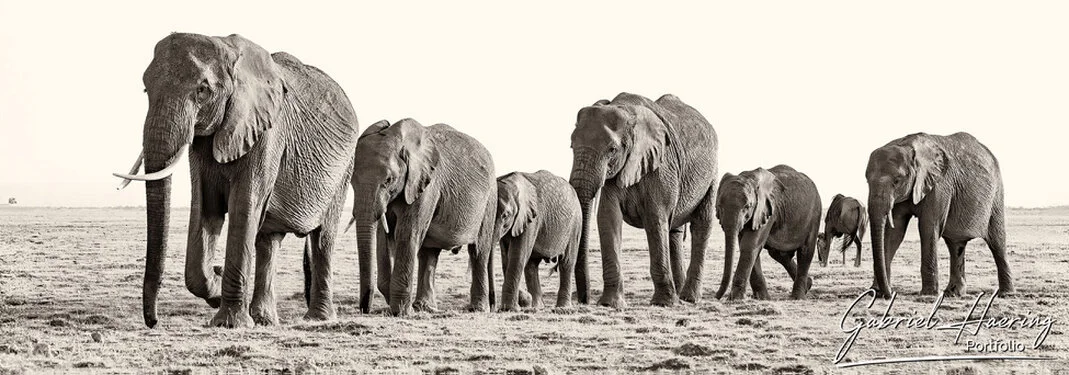
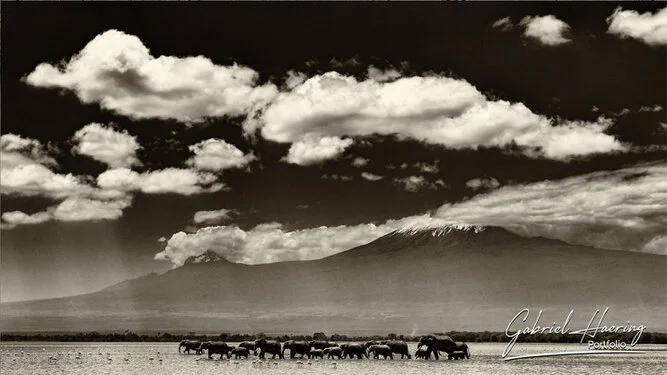
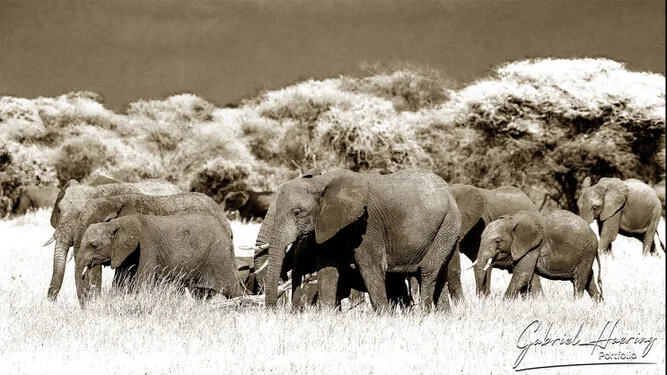
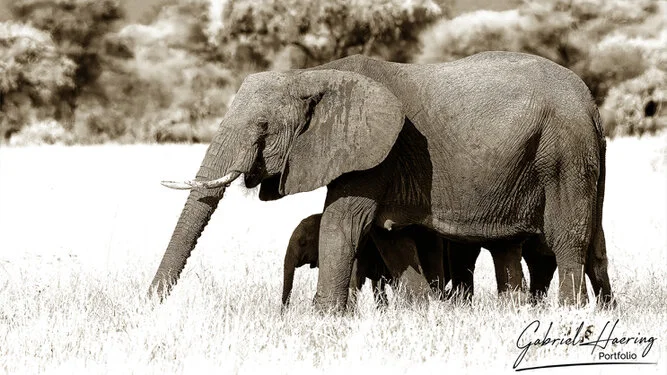
Some of the most meaningful photographs emerge from the relationships within a herd.
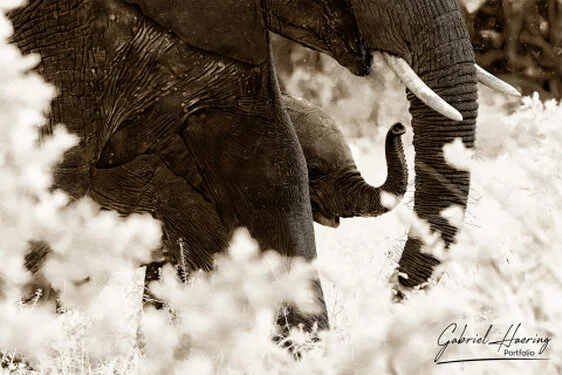
Calves remain protected between adults. Matriarchs guide movement and respond to changes in the environment. Physical contact, posture and proximity communicate reassurance, authority and connection.
Photographing these interactions requires patience and respect. The objective is not to interrupt the rhythm of the herd, but to observe carefully and recognise the moment when behaviour, light and composition come together.
Memory, Presence and Vulnerability
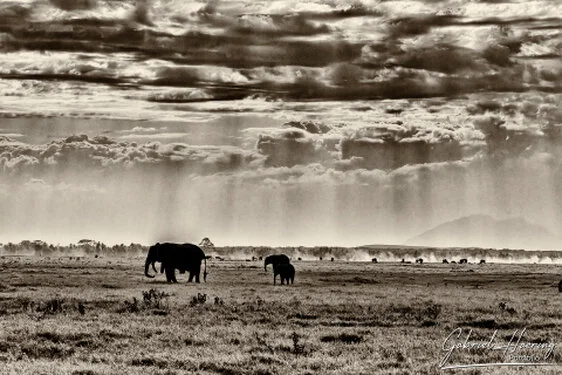
Elephants combine immense physical power with complex social intelligence.
Their quiet presence can communicate confidence, curiosity, caution or vulnerability. In black and white, these qualities often become more direct because the image is reduced to its essential emotional and visual elements.
The photographs in this gallery are my interpretation of elephants as individuals rather than symbols: strong, experienced, social and deeply connected to the landscapes they inhabit.
Photographing Elephants in the Field
Elephant photography depends on understanding distance, behaviour, family structure and the movement of the herd.
Discover how observation, natural light and ethical field practice shape my wider approach to African wildlife photography.